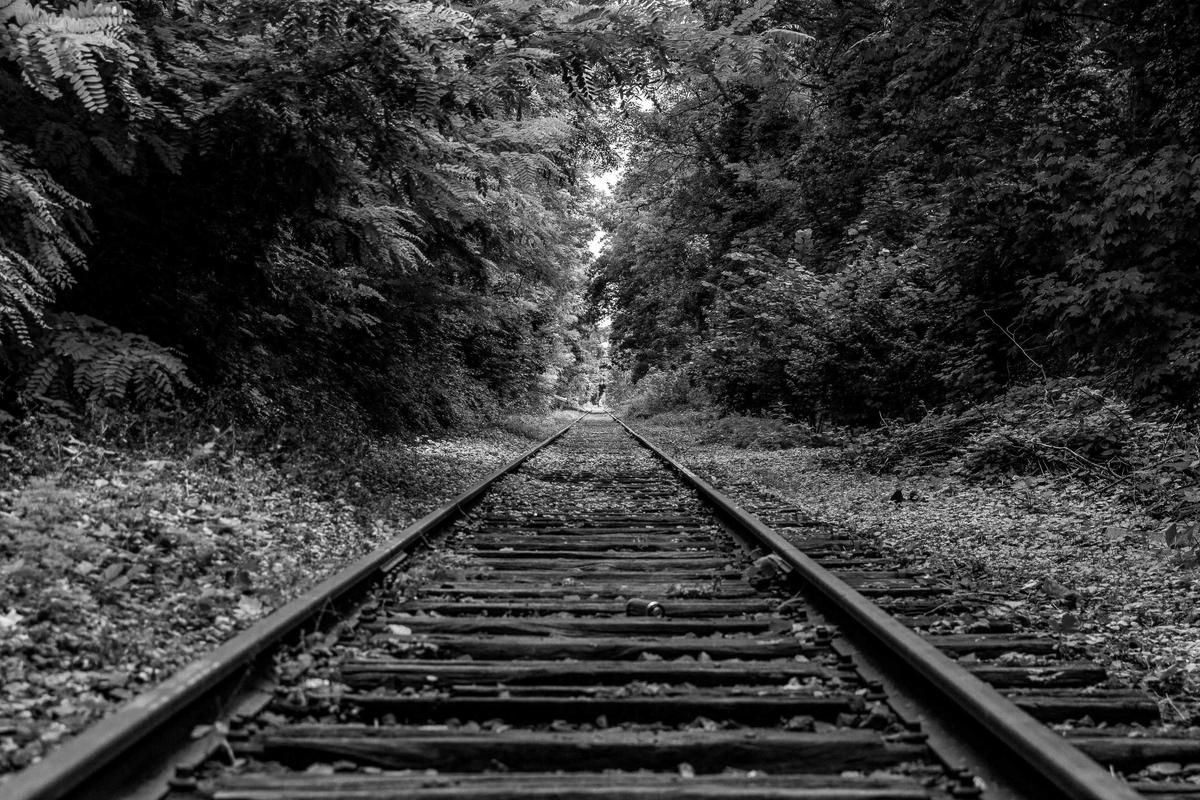
Letters From the Night Train: Europe Rediscovers Slow Travel
Letters From the Night Train: Europe Rediscovers Slow Travel
The sleeper carriage was supposed to be a casualty of the budget airline. Instead it's booked out for months. A journey through the continent's unlikeliest revival.
 June CallowayFeatures Writer
The carriage smells faintly of coffee and old upholstery, and somewhere past midnight the landscape stops being one country and starts becoming another. Nobody on board is in a hurry, which is precisely the point. The night train — declared dead a generation ago, its routes filleted by budget airlines — is running full again, and not out of nostalgia.
Ask the passengers and the answers repeat with the rhythm of the rails. The flight was cheaper, yes, but the flight ate the day. The train eats the night instead, and the night was going spare. You board after dinner, you wake at your destination, and the hours in between belong to you in a way no airport ever allowed.
The arithmetic of arrival
Operators rediscovered what the old timetables always knew: a sleeper isn't selling transportation, it's selling the absence of a hotel night and the presence of a slow morning. Price it against the flight alone and it loses. Price it against the flight plus the hotel plus the 4 a.m. alarm and it starts to look like a bargain with a view.
The night train doesn't save you time. It gives you back the time you were already losing.
The revival has its frictions — rolling stock is old, borders still complicate ticketing, and demand outruns the carriages that survived the lean decades. Every operator tells the same story: the constraint isn't passengers, it's beds.
What the window teaches
Somewhere before dawn, the train pauses in a station too small for the map, and the platform lamps light a town nobody aboard will ever visit. It's the kind of moment air travel edited out of the continent — the sense of distance as something that happens to you gradually, mile by mile, rather than a fact announced at the gate.
The world will keep flying; the arithmetic of oceans insists on it. But on the overnight routes, at least, Europe has remembered that getting there was once part of being there. The carriages are full of people relearning it, one dark mile at a time.